Yechezkel's Message for "Zionists" Then and Now
Thousands of years later, we still refuse to listen
I just did what I should have done last week with two bundles of The Kefira Times that were lying outside the same Beis Midrash. Abolishing avoda zara from the land is a collective effort, and the real milchemes mitzvah of our time. I’m doing my part; you do yours.
ולא תביא תועבה אל ביתך והיית חרם כמהו שקץ תשקצנו ותעב תתעבנו כי חרם הוא
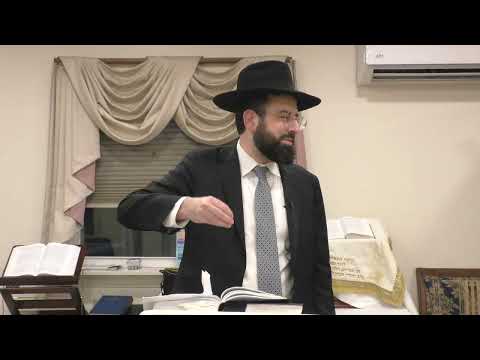
In this week’s Torah class we studied chapter 30 of Yirmiya with select commentaries. It’s a positive prophecy about what real redemption looks like (it’s not like this), and many related lessons. The class is embedded above and on Rumble here.
Here is a brief lesson from Yechezkel. It comes from the same Tanach the false prophets of our time hijack for inspirational propaganda to hype the Erev Rav State and their Hellenist army, except this message is authentic. It cannot be dismissed with rhetoric or explained away with Talmudic hair-splitting.
Here is Yechezkel 33:23-26, with Judaica Press translation:
ויהי דבר יהוה אלי לאמר: בן אדם ישבי החרבות האלה על אדמת ישראל אמרים לאמר אחד היה אברהם ויירש את הארץ ואנחנו רבים לנו נתנה הארץ למורשה: לכן אמר אליהם כה אמר אדני יהוה על הדם תאכלו ועיניכם תשאו אל גלוליכם ודם תשפכו והארץ תירשו: עמדתם על חרבכם עשיתן תועבה ואיש את אשת רעהו טמאתם והארץ תירשו
And the word of the Lord came to me, saying: “Son of man, the inhabitants of these ruins upon the land of Israel speak, saying: ‘Abraham was one, and he inherited the land, and we are many; the land has been given to us for an inheritance.’
“Therefore, say to them: So has the Lord God said: You eat upon the blood, and you lift your eyes to your idols, and you shed blood—and shall you inherit the land? You stood upon your sword, you committed abomination [Rashi: homosexuality], and each man defiled his neighbor’s wife—and shall you inherit the land?”
The message is crystal clear: You think you deserve to inherit the land like Avraham, when you rely on your sword and do the worst of sins, just because you’re also “religious”?
This, in a nutshell, defines the Zionist founders of the state, yemach shemam, and their successors to this day. They believe the land belongs to them and they can do whatever they want with it, by right of their might.
It also defines the Religious Zionists who subverted Judaism to align with these wicked people. They have made an avoda zara out of the land and settling it, a religion unto itself that supersedes actual Torah observance and even belief in Hashem. To them an am ha’aretz or even an atheist who builds a shack on a hilltop or “serves” in the IDF is far holier than a tzaddik in the diaspora whose every moment is devoted to Torah and avodas Hashem.
And, of course, no one can compete with someone who “sacrifices” his life in the IDF. The act of death is automatically holy, a sanctification of God’s name, no matter the circumstances behind the death, or the dubious purpose of the “sacrifice”. They deserve to sit with Rabbi Akiva in the next world — even if they accomplished nothing else in this world than being blown up while wearing a uniform, for the sake of a delusion.
(A pity to those who are merely maimed. Much like their counterparts don’t get 72 virgins for merely being wounded, IDF martyrs don’t get the biggest prize unless they die. In a sense, being killed in the IDF is the best thing that could ever happen to them; it’s not like they’re earning the biggest prize the usual way.)
Back to Yechezkel. Metzudas David writes on 33:25:
והארץ תירשו. בתמיה וכי בעשות מעשים כאלה תירשו את הארץ וכאומר וכי טובים אתם מאותם שמתו ונשבו ומה לכם להדמות אל אברהם
When you do things like this, will you inherit the land?! This is as if to say, are you better than those who died and were taken captive? What right do you have to liken yourselves to Avraham?
Yechezkel is speaking to those who were left in the land after a series of expulsions, leading up to the destruction of the Beis Hamikdash and the complete exile of those who remained.
Despite all they had witnessed, despite all they had suffered, despite all the unmistakable signs that Hashem was seriously displeased with something, despite all the warnings that it would only get worse if they didn’t change course, the people maintained a “Zionist” confidence in their sword and their devotion to the land. They were on the level of Avraham Avinu himself! They were bravely settling Eretz Yisrael against all odds, no matter the cost! How could Hashem say no to that? What greater merit could there be?
Yechzekel challenges them: what makes you think you are better than those who were exiled? What makes you think you deserve to be redeemed, when they were not? Why do you not instead deserve to suffer the same fate they did, if not worse, for not having learned from their example?
Radak writes:
בתמיה איך תרשו את הארץ ותעשו אלה המעשים שאינה טבע הארץ כמו שכתוב אלהי נכר הארץ והכנענים יצאו ממנה מפניכם מפני עבודת עכו”ם ושפיכות דם נקי ועשות התועבות כמו שכתוב ולא תקיא הארץ אתכם בטמאכם אותה כאשר קאה את הגוי אשר לפניכם ואיך תירשו אתם הארץ ואתם עושים התועבות שעשו אנשי הארצות האלה שהיו לפניכם
How can you inherit the land when you do things that are against the nature of the land, as it is written, “the foreign gods of the land”? And the Canaanites went out from it before you because of idolatry, the spilling of innocent blood, and doing abominable things, and it is written “Lest the land vomit you out when you defile it as it vomited out the nation that was there before you”. So how can you inherit the land when you do the same abominable things that the men of these lands did who were here before you?
This is a question the Zionists never cared about, and Religious Zionists no longer care about, for whatever extent they ever did. They take the greatest pride in the un-Jewish state’s secular achievements, from hi-tech companies, to Olympic teams, to Eurovision, to Israeli models, to being the most perversity-friendly place in the Middle East since Hellenist times and Sodom itself.
And, of course, the un-Jewish army that never stops bragging about how moral it is and what a sacred duty it is to “serve” in it.
Have you ever heard them brag about Israel being the world leader in yeshivas and Torah scholars? It’s a good day if they so much as feign respect for the Torah and those who place Torah law above all else.
They believe Ben Gurion, yemach shemo, did more for the Jewish people than Rav Elchonon Wasserman, zt”l.
Back to Yechezkel. Rashi on 33:26 writes:
עֲמַדְתֶּם עַל חַרְבְּכֶם. כְּלוֹמַר: כָּל בִּטְחוֹנְכֶם נִתְחַזַּקְתֶּם עַל חַרְבְּכֶם
“You stood upon your sword” — Meaning, all your trust; you placed all your strength on your sword.
The “Zionists” in ancient times knew Hashem was real — atheism didn’t fly back then — but they felt they didn’t really need Him, especially not on His terms. This attitude was a primary cause of the destruction of the first Beis Hamikdash, the destruction of the second Beis Hamikdash, and the downfall of Bar Kochba (see my class on it here).
It is also a pillar of the wicked Zionists who founded the modern state and their successors to this day.
Meanwhile, the greatest pride of Religious Zionists is the IDF. The IDF is the centerpiece of their entire religious existence, the litmus test for who is a good Jew, or who deserves to be considered part of the Jewish nation altogether. For all the lip service they pay to Hashem protecting us, the IDF is truly the sword upon which they place all their strength.
They prattle endlessly about hishtadlus. If they really believed in Hashem, and if they really depended on Hashem, they would speak 99% about avodas Hashem, teshuva and bitachon, and 1% about hishtadlus, instead of the reverse.
When confronted with setbacks they would emphasize the need for introspection and a spiritual response, not more reliance on the same IDF that “failed” them. They would certainly not tout more IDF as the solution, while furiously demanding IDF “service” from communities crammed with yeshivos and Torah scholars (unlike their own), and scapegoating them for everything.
Then they speak in grandiose terms about redemption and miracles, as if they deserve either of the two.
We conclude with a related message from Yirmiya, at the beginning of chapter 21. Shortly before the fall of Jerusalem, Tzidkiyahu the king sent messengers to the Yirmiya asking him to beseech Hashem. Maybe He would do a miracle for them, as He had done in the past.
Hashem said no and then some. (We studied the entire chapter here.)
Rav Yosef Kara writes on 21:4 that the Jews thought Hashem was their “weapon of war, to fight on their behalf”.
But Hashem was fed up with being used and abused, bailing them out time and time again while they continued to betray Him. It was not enough to merely fight for nationalistic purposes, to live in the land, to have a Jewish kingdom, or even to have a Beis Hamikdash. It was not enough to pay lip service to Hashem, then turn to Him in their time of need — on their terms.
The answer wasn’t more military service, more physical hishtadlus. It never was, and still isn’t. It certainly isn’t more devotion to an un-Jewish nationalist movement founded by enemies of Hashem and the Jewish people who rebranded themselves as our protectors.
Yechezkel dismantles the idolatry of Zionism and the shituf of Religious Zionism with three straightforward pesukim. We’d best take the message to heart.

No comments:
Post a Comment